Aracne: A Bold and Versatile Typographic Choice
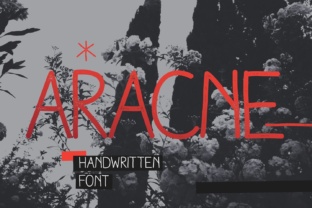
Aracne is a distinctive font that stands out for its dynamic, slightly scrawled letterforms. Designed with a relaxed yet elegant aesthetic, it offers a unique visual identity that can elevate a wide range of design projects. Whether used in branding, editorial layouts, or digital interfaces, Aracne brings a sense of energy and individuality that is both modern and expressive.
Understanding Aracne's Unique Qualities
At its core, Aracne is a typeface that balances structure with spontaneity. The tall, slightly slanted letters create a sense of movement, making it ideal for designs that require a fresh, contemporary feel. Unlike more rigid fonts, Aracne’s character allows for a more organic and fluid presentation, which can be particularly effective in creative or informal contexts.
The font’s design elements suggest a hand-drawn quality, though it maintains the consistency and precision required for professional use. This blend of natural charm and technical reliability makes Aracne a versatile option for designers looking to add a touch of personality without sacrificing clarity.
Key Characteristics and Design Philosophy
Aracne’s letterforms are designed with a focus on readability and visual interest. The slight slant and variation in stroke weight contribute to a lively appearance, while the overall structure remains legible even at smaller sizes. This balance ensures that the font can be used effectively in both headings and body text, depending on the design needs.
One of the most notable aspects of Aracne is its adaptability. It works well in both print and digital formats, making it suitable for a variety of applications. Its clean lines and consistent spacing also help maintain a professional look across different mediums, from websites to marketing materials.
Practical Applications and Use Cases
For designers working on modern or poppy projects, Aracne provides a strong visual foundation. It can be used to create eye-catching headlines, logos, or promotional content that requires a fresh and energetic tone. Its versatility also makes it a good choice for editorial work, where a more dynamic typography can enhance the reader’s experience.
In branding, Aracne can help establish a unique identity that stands out from more traditional fonts. Its character can convey creativity, innovation, or a sense of approachability, depending on how it is applied. This makes it particularly useful for startups, creative agencies, or brands targeting a younger, more design-conscious audience.
Strengths and Usability Considerations
One of Aracne’s greatest strengths is its ability to add visual interest without overwhelming the design. Its style is bold enough to make an impact but not so extreme that it becomes distracting. This makes it a reliable choice for designers who want to maintain a cohesive look while still incorporating a distinctive typographic element.
Usability is another key factor. Aracne supports a wide range of languages and includes standard glyph sets, ensuring that it can be used in diverse projects. Its consistent spacing and alignment also contribute to a polished appearance, which is essential for professional output.
Who Benefits Most from Using Aracne?
Aracne is particularly beneficial for professionals in fields such as graphic design, marketing, and web development. For entrepreneurs and small business owners, it offers a way to create visually appealing materials that reflect their brand’s personality. Marketers and advertisers may find it useful for crafting engaging campaigns that stand out in a crowded market.
Freelancers and creatives who work on a variety of projects will appreciate Aracne’s flexibility. It can be used in both personal and commercial settings, providing a consistent yet adaptable solution for different design challenges. Educators and publishers may also find it useful for creating engaging educational materials or publications that require a modern aesthetic.
Real-World Performance and Limitations
In real-world scenarios, Aracne performs well in a variety of contexts. Its legibility at different sizes and in different formats ensures that it can be used effectively in both large-scale and detailed designs. However, it may not be the best choice for projects that require a more formal or traditional look.
While Aracne is highly readable, its stylized nature may not suit all audiences. Some users may find the slightly irregular shapes less suitable for long-form text, especially in more conventional or corporate environments. In such cases, it may be better to pair Aracne with a more neutral font for contrast and balance.
Recommendations for Effective Use
When using Aracne, it’s important to consider the context and audience. For maximum impact, it works best in short, impactful text such as headlines, titles, or callout elements. Pairing it with a simpler font can help maintain visual harmony while allowing Aracne to shine where it matters most.
Designers should also experiment with different weights and styles to find the right balance for their project. Testing the font in various sizes and layouts can help ensure that it meets the specific needs of the design, whether it’s for print, web, or other media.
Conclusion: Is Aracne Right for Your Project?
Aracne is a compelling choice for those seeking a font that combines energy, uniqueness, and practicality. Its design offers a fresh alternative to more standard typefaces, making it ideal for projects that benefit from a dynamic and modern aesthetic. While it may not be suitable for every application, its strengths in flexibility, usability, and visual appeal make it a valuable addition to any designer’s toolkit.
Ultimately, the decision to use Aracne depends on the specific goals and requirements of the project. By understanding its characteristics and potential limitations, designers can make informed choices that align with their creative vision and functional needs.