FatCat: A Bold Choice for Strategic Communication
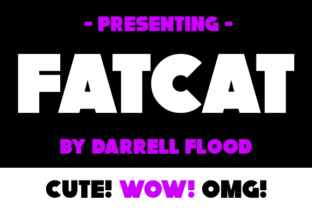
Choosing the right font can be a strategic decision that influences how your message is received. FatCat, a thick, chunky, sans-serif typeface with perfectly round O, C, and Q, offers a visual identity that commands attention. Designed by Darrell Flood, this font is ideal for high-impact titles where clarity and strength are essential. Its boldness makes it more than just a stylistic choice—it's a tool for shaping perception and driving results.
For professionals across industries, from entrepreneurs to educators, FatCat provides a unique opportunity to align typography with purpose. Whether you're crafting a brand identity, designing marketing materials, or developing content, understanding when and how to use FatCat can enhance your communication strategy.
Why FatCat Matters in Strategic Communication
In a world where visual language plays a critical role in decision-making, typography is not just about aesthetics. It’s about conveying intent, authority, and intentionality. FatCat’s robust design makes it particularly effective for headlines, logos, and key messaging that needs to stand out without overwhelming the reader.
Its thick strokes and rounded characters create a sense of approachability and confidence. This balance is crucial for brands aiming to project both strength and accessibility. For example, a startup looking to establish itself as a serious player might use FatCat for its logo or product name to signal reliability and innovation.
Strategically, FatCat helps in creating a visual hierarchy that guides the reader’s focus. In presentations, reports, or digital content, using FatCat for headings can draw attention to key points, making information easier to digest and more memorable.
When to Use FatCat: Practical Scenarios
FatCat is most effective in situations where clarity and impact are priorities. Consider using it for:
- Headlines and Titles: FatCat’s boldness makes it ideal for grabbing attention in blogs, articles, or marketing campaigns.
- Logos and Branding: Its distinct shape supports a strong brand identity, especially for businesses targeting a modern, confident audience.
- Call-to-Action Buttons: Using FatCat on CTAs can increase visibility and encourage engagement without being overly aggressive.
- Presentations and Slides: When delivering data or ideas, FatCat can help emphasize key takeaways and maintain audience focus.
However, it’s important to consider context. FatCat may not be suitable for long blocks of text due to its thickness, which can reduce readability. Instead, use it selectively to highlight specific elements within a broader design or content strategy.
How to Approach FatCat Intentionally
Using FatCat effectively requires more than just selecting it from a font menu. It demands a thoughtful approach that aligns with your goals and audience. Start by defining the purpose of your message. Are you trying to inspire, inform, or persuade? The answer will guide how you incorporate FatCat into your work.
Consider the tone of your communication. FatCat works well for messages that need to feel strong and authoritative. If your goal is to convey warmth or creativity, pairing FatCat with complementary fonts or colors can help balance the overall aesthetic.
Also, test FatCat in different formats. How does it look on a website? In print? On mobile devices? Understanding its performance across platforms ensures consistency and effectiveness. This step is especially important for businesses that rely on multi-channel communication.
Strategic Observations: FatCat in Action
Many successful brands have used bold typography to differentiate themselves. For instance, a tech company launching a new product might use FatCat for its title to signal innovation and power. Similarly, a nonprofit organization could use it in campaign materials to emphasize urgency and importance.
Another observation is that FatCat pairs well with minimalistic designs. When used alongside clean layouts and ample white space, it avoids appearing cluttered or overwhelming. This combination is particularly useful for professional services like consulting, law, or finance, where trust and clarity are essential.
Additionally, FatCat can be a powerful tool for storytelling. In content marketing, using it for section headers or key quotes can help readers navigate complex topics more easily. This enhances the user experience and increases the likelihood of engagement and retention.
Planning Tips for Effective Font Use
To maximize the benefits of FatCat, start with a clear plan. Define your objectives and audience before selecting any typography. Ask yourself: Who am I trying to reach? What message do I want to convey? How will this font support my goals?
Next, create a style guide that outlines where and how FatCat should be used. This ensures consistency across all materials and prevents overuse or misuse. A well-documented guide also helps team members understand the strategic value behind design choices.
Finally, stay open to feedback. Test your designs with real users and gather insights on how they perceive the font. This data can inform future adjustments and help refine your approach over time.
Risks of Using FatCat Without Clarity
While FatCat has many advantages, using it without a clear purpose can lead to ineffective communication. Overusing it in body text, for example, can make content harder to read and diminish its impact. Similarly, applying it inappropriately—such as in a formal report or a delicate design—can clash with the intended tone and message.
Without strategic consideration, FatCat may also dilute your brand’s identity. If it doesn’t align with your values or audience expectations, it could confuse rather than clarify. This is why it’s important to evaluate whether the font supports your overall messaging and branding efforts.
Long-Term Value of Strategic Font Choices
The long-term success of a brand often depends on consistent and intentional design choices. FatCat, when used thoughtfully, contributes to a cohesive visual identity that resonates with audiences over time. This consistency builds recognition and trust, which are vital for sustained growth and customer loyalty.
Moreover, strategic font use can improve operational efficiency. By establishing clear guidelines early on, teams can streamline design processes and reduce the need for constant revisions. This saves time and resources while maintaining quality and alignment with brand standards.
In the evolving landscape of digital and print media, having a strong typographic strategy is no longer optional. FatCat offers a powerful option for those looking to make a lasting impression through visual communication.
Conclusion: Embrace FatCat with Purpose
FatCat is more than a font—it’s a strategic asset. Its bold design and clean structure make it ideal for high-impact communication where clarity and strength matter. By using it intentionally, you can enhance your messaging, build stronger brand identities, and achieve better results in your work.
Whether you’re a marketer, designer, or business owner, understanding the value of FatCat can help you make smarter decisions. Focus on purpose, test your choices, and align your typography with your goals. In doing so, you’ll unlock the full potential of this powerful typeface.