HiBaby: A Hand-Painted Font with Organic Energy
If you're looking for a font that brings a touch of creativity and personality to your designs, HiBaby might just be the perfect fit. This unique typeface offers a hand-painted, dry bristle aesthetic that can add an organic kick to any project. Whether you're a designer, a business owner, or a creative professional, understanding what makes HiBaby stand out can help you decide if it's the right choice for your needs.
What Is HiBaby?
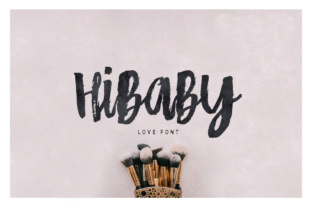
HiBaby is a fun and expressive font that mimics the look of hand-painted text. Its design features a dry bristle texture, giving it a tactile, almost artisanal feel. Unlike traditional fonts that are often clean and uniform, HiBaby embraces imperfections, making it ideal for projects that aim to convey warmth, creativity, or a personal touch.
This font is particularly popular among designers who want to add a human element to their work. It’s not just about aesthetics—it’s about creating a connection with the audience through visual storytelling.
Key Features of HiBaby
- Hand-Painted Look: HiBaby’s brush-like strokes give it a natural, artistic appearance that stands out from standard digital fonts.
- Dry Bristle Texture: The font’s unique texture mimics the look of paint applied with a dry brush, adding depth and character to the text.
- Organic Appeal: With its irregularities and subtle variations, HiBaby feels more authentic and less mechanical than many other typefaces.
- On-Trend Design: As more designers seek to break away from rigid, corporate fonts, HiBaby aligns with current trends that favor handmade and personalized elements.
When to Use HiBaby
HiBaby is best suited for projects that benefit from a creative, informal, or artistic tone. It works well in areas such as branding, social media content, packaging design, and promotional materials where a personal or playful vibe is desired.
For example, a small business owner looking to create a logo for a boutique or a café might find HiBaby appealing. Its handcrafted feel can help establish a brand identity that feels approachable and genuine.
It’s also a great option for digital artists, illustrators, or anyone working on projects that require a custom, one-of-a-kind look. However, it’s important to consider the context in which the font will be used.
Real-World Applications
- Branding: HiBaby can be used in logos, business cards, or signage to create a memorable and distinctive visual identity.
- Social Media Graphics: When designing posts for platforms like Instagram or Pinterest, HiBaby can add a fresh, engaging look that catches attention.
- Printed Materials: From flyers to brochures, HiBaby can bring a unique flair to printed content, especially when paired with bold colors or illustrations.
- Personal Projects: Artists and hobbyists may use HiBaby in their personal work, such as journaling, scrapbooking, or digital art, to add a personal touch.
Who Benefits from Using HiBaby?
HiBaby is ideal for a wide range of users, including independent creators, small businesses, and even large organizations looking to inject some personality into their branding. It’s particularly useful for those who want to avoid the sterile look of many commercial fonts.
Professionals in industries like fashion, food, or lifestyle may find HiBaby beneficial. For instance, a food blogger could use it in recipe cards or social media posts to make their content feel more inviting and authentic.
However, it’s worth noting that HiBaby may not be suitable for all situations. In formal or highly structured environments, its casual appearance might not align with the desired tone.
Strengths and Considerations
One of HiBaby’s greatest strengths is its ability to evoke emotion and tell a story through its visual style. It’s not just a font—it’s a tool for expression. Its uniqueness can set a project apart from others, making it stand out in a crowded market.
That said, there are a few considerations to keep in mind. Due to its hand-painted nature, HiBaby may not be as readable in smaller sizes or when used in long blocks of text. It’s best reserved for headlines, titles, or short phrases rather than body copy.
Additionally, because of its distinct style, HiBaby may not be the best choice for projects that require a more neutral or professional appearance. It’s important to evaluate whether the font aligns with the overall message and goals of the design.
Evaluating Suitability for Your Project
Before deciding to use HiBaby, consider the following factors:
- Project Purpose: Does the design need to feel creative, personal, or playful? If so, HiBaby could be a strong candidate.
- Target Audience: Will the audience respond positively to a hand-painted, organic look? Understanding your audience’s preferences can guide your font choice.
- Readability: Ensure that HiBaby remains legible in the intended format. Test it at different sizes and against various backgrounds.
- Brand Identity: Does the font match the brand’s tone and values? It should enhance, not conflict with, the overall brand image.
By taking these factors into account, you can determine whether HiBaby is the right choice for your specific needs. It’s always a good idea to experiment with different fonts and see how they perform in real-world scenarios.
Final Thoughts on HiBaby
HiBaby is more than just a font—it’s a creative statement. Its hand-painted aesthetic adds a layer of authenticity and charm that can elevate a design in meaningful ways. Whether you’re a designer, a business owner, or a creator, exploring HiBaby can open up new possibilities for your work.
Ultimately, the key to using HiBaby effectively lies in understanding its strengths and limitations. When used thoughtfully, it can become a powerful tool for expressing creativity and connecting with your audience.