Kafka Font: Capturing the Nervous Elegance of Franz Kafka’s Handwriting
The Kafka font is a unique typeface inspired by the handwriting of one of literature’s most enigmatic figures, Franz Kafka. Drawing from his manuscript of The Trial and personal diaries, this font aims to replicate the expressive style that defined Kafka’s written work. It captures not only the visual aspects of his script but also the emotional undertones—nervousness, precision, and a certain melancholic grace.
For writers, designers, and historians alike, the Kafka font offers more than just an aesthetic choice. It provides a tangible connection to the mind of a literary giant, allowing users to incorporate elements of Kafka’s world into their own creative projects. Whether used in book design, academic publications, or artistic expressions, the font serves as a bridge between past and present.
How the Kafka Font Was Created
The development of the Kafka font began with meticulous study of Kafka’s original manuscripts. Researchers and typographers examined the handwritten notes and letters he left behind, searching for patterns in his letterforms, spacing, and overall rhythm. The goal was to create a digital representation that felt authentic while remaining usable in modern contexts.
One of the most striking features of Kafka’s handwriting is its unevenness. His letters often slant slightly to the right, with some characters appearing more deliberate than others. This variation gives the text a sense of movement, as if the writer were caught in a moment of hesitation or deep thought. The font emulates this quality, ensuring that each character carries a touch of individuality.
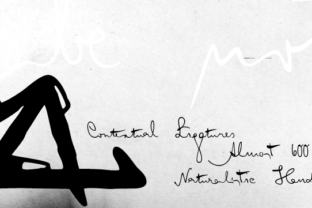
In addition to the main text, the font includes several illustrations taken directly from Kafka’s diaries. These drawings, which range from abstract sketches to detailed observations, add another layer of historical and artistic value. They provide a glimpse into Kafka’s inner world, making the font not just a tool for writing but also a window into the mind of a writer who lived in constant tension between reality and imagination.
Key Features of the Kafka Font
The Kafka font is characterized by its distinct stroke weights and fluid curves. Unlike traditional serif or sans-serif fonts, it retains the organic feel of hand-drawn letters. This makes it particularly well-suited for projects that aim to evoke a sense of intimacy or historical authenticity.
One of the most notable aspects of the font is its ability to convey emotion through typography. The slight irregularities in the letterforms suggest a human hand at work, rather than a mechanical process. This can be especially powerful when used in literary works, where the visual style of the text can enhance the reader’s experience.
The font also includes alternate characters and ligatures, allowing users to customize the appearance of their text. These variations help maintain the natural flow of handwriting while providing flexibility for different design needs. Whether used in a book cover, a website header, or a personal journal, the Kafka font adapts seamlessly to various applications.
Practical Applications of the Kafka Font
Designers working on projects related to literature, history, or the arts may find the Kafka font particularly useful. Its unique style can add a distinctive touch to book covers, posters, or exhibition materials. For example, a museum exhibit about Kafka’s life could use the font to create labels, captions, or informational panels that reflect the author’s personal style.
In the realm of publishing, the Kafka font could be used for reprints of Kafka’s works or for new literary projects inspired by his themes. Authors looking to create a more immersive reading experience might choose this font to accompany their narratives, reinforcing the atmosphere of uncertainty and existential reflection that defines much of Kafka’s writing.
Writers and artists who want to infuse their work with a sense of historical depth may also benefit from using the Kafka font. By incorporating it into their personal journals, poetry collections, or digital art, they can pay homage to one of the most influential voices of the 20th century.
Considerations When Using the Kafka Font
While the Kafka font offers a rich and expressive style, it is important to consider its readability. Due to its handwritten nature, it may not be ideal for long passages of text in standard documents. However, when used in short quotes, titles, or decorative elements, it can enhance the visual appeal without compromising legibility.
Users should also be mindful of the font’s licensing terms. Depending on the intended use—personal, commercial, or academic—the font may require specific permissions or attribution. It is always advisable to review the license agreement before incorporating the font into any project.
Another factor to consider is the context in which the font will be used. In formal settings, such as academic papers or professional reports, the Kafka font may not be appropriate. However, in creative or artistic contexts, its unique qualities can be a valuable asset.
Why Choose the Kafka Font?
The Kafka font is more than just a stylistic choice—it is a tribute to one of the most profound literary voices of the modern era. By using it, designers and writers can connect with the spirit of Kafka’s work in a way that transcends mere words. It invites users to engage with the same sense of mystery and introspection that defined his writing.
For those interested in exploring the intersection of typography and literature, the Kafka font offers a compelling opportunity. It allows for a deeper appreciation of how handwriting can shape meaning, and how the visual presentation of text can influence the reader’s perception of a story.
Whether used for artistic expression, historical reference, or literary inspiration, the Kafka font stands as a testament to the enduring power of Kafka’s legacy. Its presence in the digital world ensures that his voice continues to resonate, even in the most unexpected forms.