Mastura: A Timeless Fusion of Elegance and Modernity in Typography
In the ever-evolving world of design, typography plays a crucial role in shaping visual identity and communication. Among the many fonts available, Mastura stands out as a beautifully flourished script that seamlessly blends classic aesthetics with contemporary flair. This unique font is more than just a stylistic choice—it's a tool that can elevate the look of any project, from branding to editorial work. Understanding its characteristics, applications, and best practices can help designers make informed decisions about when and how to use it effectively.
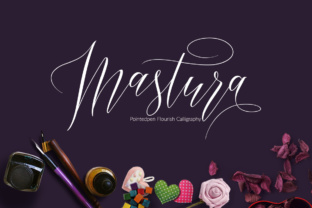
The allure of Mastura lies in its smooth lines and pointed-edged pull pen strokes, which give it a refined and sophisticated appearance. These elements create a sense of movement and grace, making the font ideal for projects that require a touch of elegance. Whether used in headlines, logos, or decorative elements, Mastura adds a layer of artistry that can capture attention and convey a sense of sophistication.
Characteristics That Define Mastura
One of the most striking features of Mastura is its fluidity. The script flows naturally, with each letter connecting smoothly to the next. This characteristic makes it particularly well-suited for titles and display purposes where visual appeal is key. The font also incorporates subtle variations in thickness, which add depth and dimension to the text. These details contribute to a more dynamic and engaging reading experience.
Another defining trait of Mastura is its versatility. While it has a strong script aesthetic, it doesn't feel overly ornate or difficult to read. This balance allows it to be used in a wide range of contexts, from formal documents to creative designs. Its legibility at smaller sizes makes it a practical choice for headings and subheadings, while its boldness ensures it commands attention when used in larger formats.
The font’s blend of classic and modern elements is another factor that sets it apart. It draws inspiration from traditional calligraphy but incorporates a clean, modern structure that makes it accessible for a variety of design needs. This duality allows it to fit into both historical and contemporary settings, making it a flexible option for different creative projects.
Applications of Mastura in Design
One of the primary uses of Mastura is in title and display typography. Its elegant curves and flowing lines make it an excellent choice for headlines, banners, and other visual elements that need to stand out. When used in these contexts, it can add a sense of luxury and refinement that enhances the overall aesthetic of a design.
Beyond titles, Mastura can also be employed in branding and logo design. Its unique style can help differentiate a brand from competitors, creating a memorable visual identity. For businesses looking to convey a sense of sophistication, this font can serve as a powerful tool in establishing their brand voice.
Additionally, Mastura is suitable for editorial and publishing projects. It can be used in book covers, magazine layouts, and other print materials to add a touch of class and artistic flair. Its readability at various sizes makes it a practical choice for both large and small text elements within a publication.
In digital media, Mastura can enhance web design, social media graphics, and app interfaces. Its ability to maintain clarity across different screen sizes and resolutions makes it a reliable option for designers working on digital platforms. When used thoughtfully, it can elevate the visual appeal of a website or application without compromising usability.
Best Practices for Using Mastura
When incorporating Mastura into a design, it's important to consider the context and audience. While its elegance is appealing, it may not be the best choice for all types of content. For example, in technical documents or data-heavy presentations, a more straightforward font might be more appropriate. However, in creative or artistic projects, Mastura can add a distinctive visual element that enhances the overall message.
Pairing Mastura with complementary fonts is another key consideration. Since it has a strong script style, it often works well with sans-serif or serif fonts that provide contrast. This combination can help balance the design and ensure that the text remains readable and visually appealing. Experimenting with different font pairings can lead to more dynamic and effective layouts.
Typography hierarchy is also essential when using Mastura. Because of its prominent style, it should be used strategically to avoid overwhelming the design. Limiting its use to key elements such as headlines, subheadings, or accents can help maintain a cohesive and professional look. Overuse can dilute its impact and reduce its effectiveness in conveying the intended message.
Finally, testing Mastura in different formats and environments is crucial. Viewing it on various devices and backgrounds can reveal how it performs in real-world scenarios. Adjusting spacing, size, and color can further optimize its appearance and ensure that it meets the specific needs of the project.
Considerations for Designers and Creators
While Mastura offers many benefits, it's important to recognize its limitations. Its script style may not be suitable for all audiences or industries. For instance, in highly formal or corporate settings, a more restrained font might be preferred. Designers should evaluate whether the font aligns with the tone and purpose of the project before implementing it.
Accessibility is another factor to consider. Ensuring that Mastura is legible for all users, including those with visual impairments, is essential. This involves choosing appropriate sizes, colors, and contrasts that enhance readability without sacrificing the font's aesthetic qualities.
Lastly, staying informed about design trends and best practices can help creators make the most of Mastura. As design preferences evolve, so do the ways in which fonts are used. Keeping up with these changes can enable designers to adapt and apply Mastura in innovative and effective ways.
Ultimately, Mastura is more than just a font—it's a design asset that can bring a unique character to any project. By understanding its strengths and limitations, designers can harness its potential to create visually compelling and meaningful work. Whether used in print, digital, or hybrid formats, Mastura continues to offer a timeless and versatile solution for those seeking to elevate their typographic choices.