Sweet Blush: A Delicate Touch for Modern Design
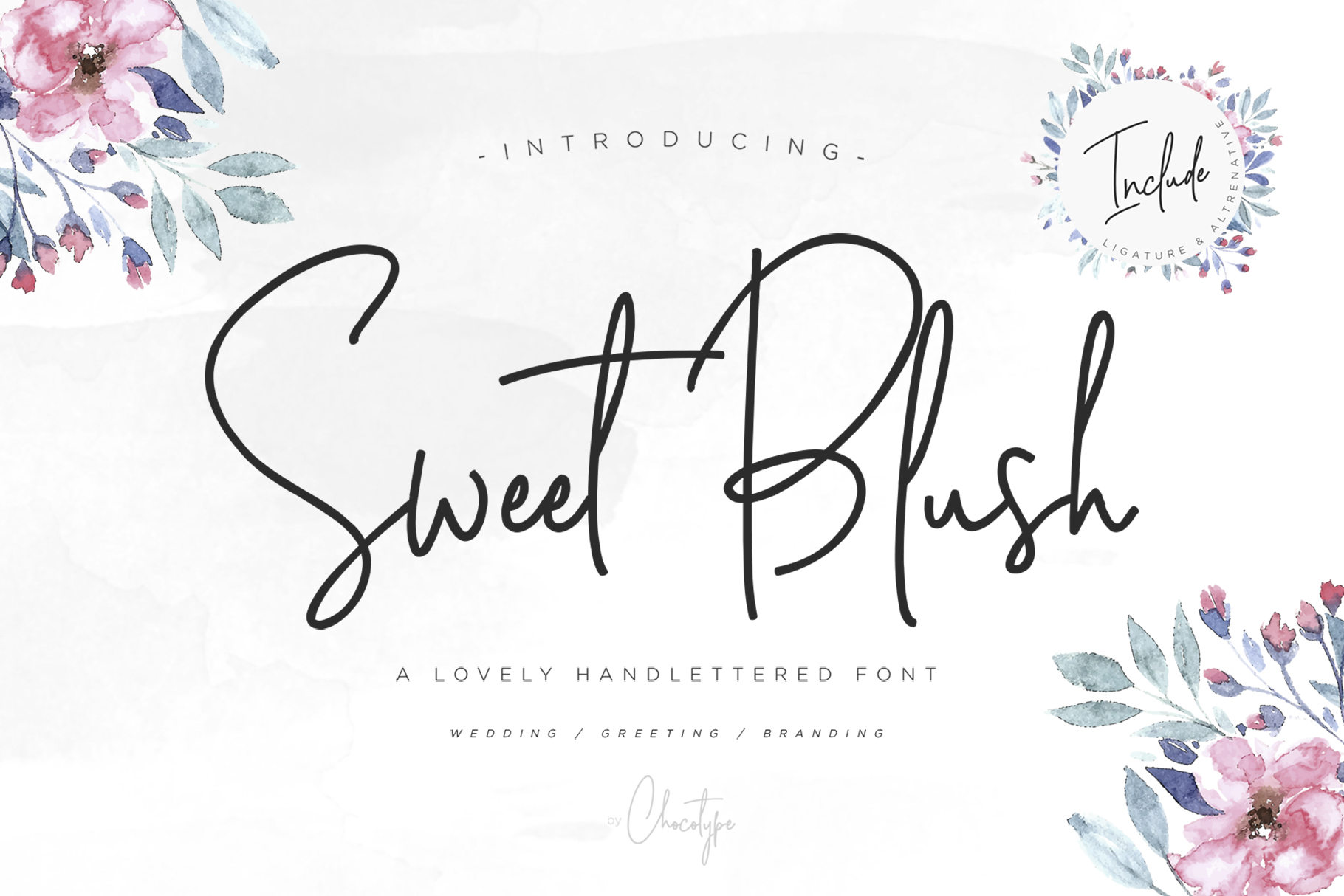
In the world of typography, a single font can transform the visual identity of a project. Sweet Blush is one such typeface that captures the essence of elegance and grace. As a monoline script font, it offers a soft, flowing aesthetic that resonates with those seeking to infuse their work with a touch of femininity and refinement. Whether used in branding, editorial layouts, or digital media, Sweet Blush stands out as a versatile tool for designers who value both form and function.
Monoline scripts are characterized by their uniform stroke widths, which give them a clean and consistent look. Unlike more ornate cursive styles, Sweet Blush maintains simplicity while still conveying a sense of movement and fluidity. This makes it particularly well-suited for headers, logos, and other design elements where clarity and visual appeal are paramount.
Key Characteristics of Sweet Blush
One of the most striking features of Sweet Blush is its delicate yet legible structure. The font's curves are smooth and well-proportioned, allowing it to be read easily even at smaller sizes. Its lowercase letters often feature subtle flourishes that add character without overwhelming the overall design. These details make it ideal for projects that require a balance between artistic expression and readability.
The font also exhibits a high level of consistency across different weights and styles. While it may not offer an extensive range of variations, the available options are carefully crafted to maintain the integrity of the original design. This ensures that users can apply Sweet Blush across multiple platforms and formats without sacrificing visual coherence.
Applications and Use Cases
Sweet Blush excels in scenarios where a feminine or editorial tone is desired. It is frequently used in wedding invitations, fashion magazines, and beauty brand identities, where the font's refined appearance aligns with the target audience's expectations. Its ability to convey sophistication makes it a popular choice among designers working in the lifestyle and personal care industries.
In addition to traditional print applications, Sweet Blush is well-suited for digital media. When used as a header on websites or social media posts, it adds a sense of warmth and approachability. Its adaptability allows it to blend seamlessly with modern design trends, making it a valuable asset for creators looking to enhance their visual storytelling.
For educators and students, Sweet Blush can serve as an effective tool for teaching typography principles. Its straightforward design provides a clear example of how monoline scripts can be used to create visually appealing compositions. By analyzing the font's structure, learners can gain a deeper understanding of how letterforms interact within a larger design context.
Benefits of Using Sweet Blush
One of the primary advantages of Sweet Blush is its versatility. While it is best known for its use in feminine designs, the font's clean lines and balanced proportions allow it to be adapted for a wide range of creative projects. This flexibility makes it a practical choice for designers who want to maintain a cohesive visual language across different mediums.
Another benefit is its ease of integration into existing design systems. Because it is a monoline script, it pairs well with sans-serif and serif fonts, creating a harmonious contrast that enhances the overall composition. This makes it an excellent option for designers who are looking to add a unique touch to their work without complicating the typographic hierarchy.
Sweet Blush also supports a variety of languages and character sets, making it suitable for international projects. Its glyph coverage includes standard Latin characters, as well as accented letters and symbols, ensuring that it can be used in multilingual contexts without compromising its aesthetic quality.
Considerations for Effective Use
While Sweet Blush is a beautiful font, it is important to use it thoughtfully. Overusing it in large blocks of text can lead to readability issues, as the font's intricate details may become difficult to distinguish. For this reason, it is best reserved for headings, titles, and other short-form text elements where its visual impact can be fully appreciated.
Designers should also consider the context in which they are using Sweet Blush. In professional or formal settings, the font may not be appropriate if it does not align with the overall tone of the project. However, in more creative or expressive environments, its use can add a distinctive flair that sets the design apart.
Finally, it is essential to test the font in different sizes and formats to ensure that it performs well across various platforms. Whether used in print, web, or mobile interfaces, Sweet Blush should maintain its clarity and visual appeal without requiring excessive adjustments.
Conclusion
Sweet Blush is more than just a font—it is a design element that can elevate the visual quality of any project. Its combination of elegance, legibility, and adaptability makes it a valuable resource for professionals and creatives alike. By understanding its strengths and limitations, users can harness its potential to create compelling and aesthetically pleasing designs that resonate with their intended audience.