The Art of Authenticity: Exploring the Edvard Font
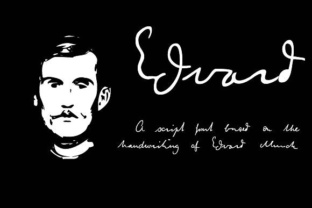
In an era where digital communication dominates, the desire for authenticity and personal expression has never been stronger. Enter Edvard, a unique font that captures the essence of Norwegian painter Edvard Munch’s handwriting. This typeface is more than just a visual choice—it's a bridge between art and typography, offering a glimpse into the mind of one of the most influential artists of the 20th century.
Created with meticulous attention to detail, Edvard draws inspiration from Munch’s letters, drafts, notes, and sketchbooks. The result is a font that mirrors the elegant yet irregular style of Munch’s writing, bringing a sense of historical depth and artistic flair to any design project. By combining extended ligatures and alternates, Edvard remains as authentic as possible while maintaining readability and versatility.
The Legacy of Edvard Munch
Edvard Munch (1863–1944) is best known for his iconic painting The Scream, which has become a symbol of existential anxiety. However, his contributions extend far beyond this single work. Munch was a prolific artist who explored themes of love, death, and human emotion through various mediums, including paintings, woodcuts, and drawings. His handwritten notes and letters reveal a deeply introspective and expressive personality, making them a rich source of inspiration for the Edvard font.
The Edvard font is not just a tribute to Munch’s artistic legacy; it also reflects the broader cultural shift towards valuing individuality and craftsmanship in design. In a world where mass-produced fonts are commonplace, Edvard offers a refreshing alternative that celebrates the imperfections and nuances of hand-drawn typography.
Why Edvard Matters in Today’s Creative Landscape
As the creative industry evolves, so do the tools and resources available to professionals. Edvard aligns with current trends that prioritize authenticity, storytelling, and emotional resonance. For designers, marketers, and entrepreneurs, this font provides a way to infuse their work with a sense of history and artistry that resonates with audiences on a deeper level.
One of the key reasons Edvard has garnered attention is its ability to evoke a specific mood and aesthetic. Whether used in branding, editorial design, or digital content, the font adds a touch of sophistication and uniqueness that sets it apart from more conventional typefaces. Its irregularities and organic feel make it particularly well-suited for projects that aim to convey a sense of creativity and innovation.
Moreover, Edvard caters to the growing demand for customizable and expressive typography. With its extensive set of alternates and ligatures, the font allows users to create variations that suit their specific needs. This flexibility is especially valuable in industries such as publishing, advertising, and graphic design, where the right typeface can significantly impact the overall message and reception of a piece.
Connecting to Broader Trends and Developments
The rise of Edvard reflects a larger movement within the design community toward embracing imperfection and human elements in digital media. As technology continues to advance, there is a renewed appreciation for the tactile and the handmade—qualities that Edvard embodies. This trend is evident in the popularity of vintage-inspired designs, handcrafted visuals, and typographic experiments that challenge traditional norms.
Additionally, Edvard aligns with the increasing importance of storytelling in marketing and brand communication. In a competitive landscape, brands are seeking ways to stand out by creating compelling narratives that connect with their audience. The Edvard font offers a powerful tool for this purpose, allowing creators to infuse their messages with a sense of history, emotion, and authenticity.
From a business perspective, Edvard also highlights the value of niche products and specialized solutions. In a market saturated with generic options, fonts like Edvard carve out a unique space by addressing specific needs and preferences. This approach not only appeals to creatives looking for distinctive tools but also demonstrates the potential for growth in the typography industry.
Practical Applications and Real-World Examples
Several professionals have already begun to incorporate Edvard into their workflows, showcasing its versatility and effectiveness across different applications. For instance, independent publishers and book designers use the font to create visually striking covers and layouts that reflect the thematic elements of their content. The irregularity of the typeface complements literary works that explore complex emotions and ideas, enhancing the reader’s experience.
Marketing agencies have also found value in Edvard, particularly when working on campaigns that emphasize creativity and originality. By using the font in logos, social media graphics, and promotional materials, these agencies can differentiate their clients’ brands and capture the attention of target audiences. The font’s connection to Munch’s artistic legacy adds an extra layer of depth, making it an appealing choice for projects that seek to inspire and engage.
Freelancers and small business owners, too, have embraced Edvard as a way to elevate their personal brands and professional outputs. Whether designing a website, crafting a portfolio, or developing a product, the font provides a unique identity that reflects the individual’s values and vision. This is especially important in an industry where differentiation and personalization are key to success.
Looking Ahead: The Future of Authentic Typography
As we look to the future, the relevance of Edvard and similar fonts is likely to grow. With the continued emphasis on authenticity, storytelling, and emotional connection, there will be an increasing demand for typographic solutions that go beyond aesthetics and offer meaningful experiences. Edvard is poised to play a significant role in this evolution, serving as a reminder of the power of art and craftsmanship in the digital age.
Furthermore, as more creators and businesses recognize the value of unique and expressive typography, the market for specialized fonts like Edvard is expected to expand. This trend underscores the importance of supporting and investing in tools that empower individuals to express themselves in innovative and impactful ways.
In conclusion, Edvard is more than just a font—it’s a reflection of the changing landscape of design and communication. By capturing the essence of Edvard Munch’s handwriting, it offers a powerful means of connecting with audiences, conveying meaning, and celebrating the beauty of imperfection. As the creative industry continues to evolve, Edvard stands as a testament to the enduring influence of art and the ongoing quest for authenticity in every form of expression.